Unveiling the Rich Tapestry of Slot Machine History: From Humble Beginnings to Digital Dominance
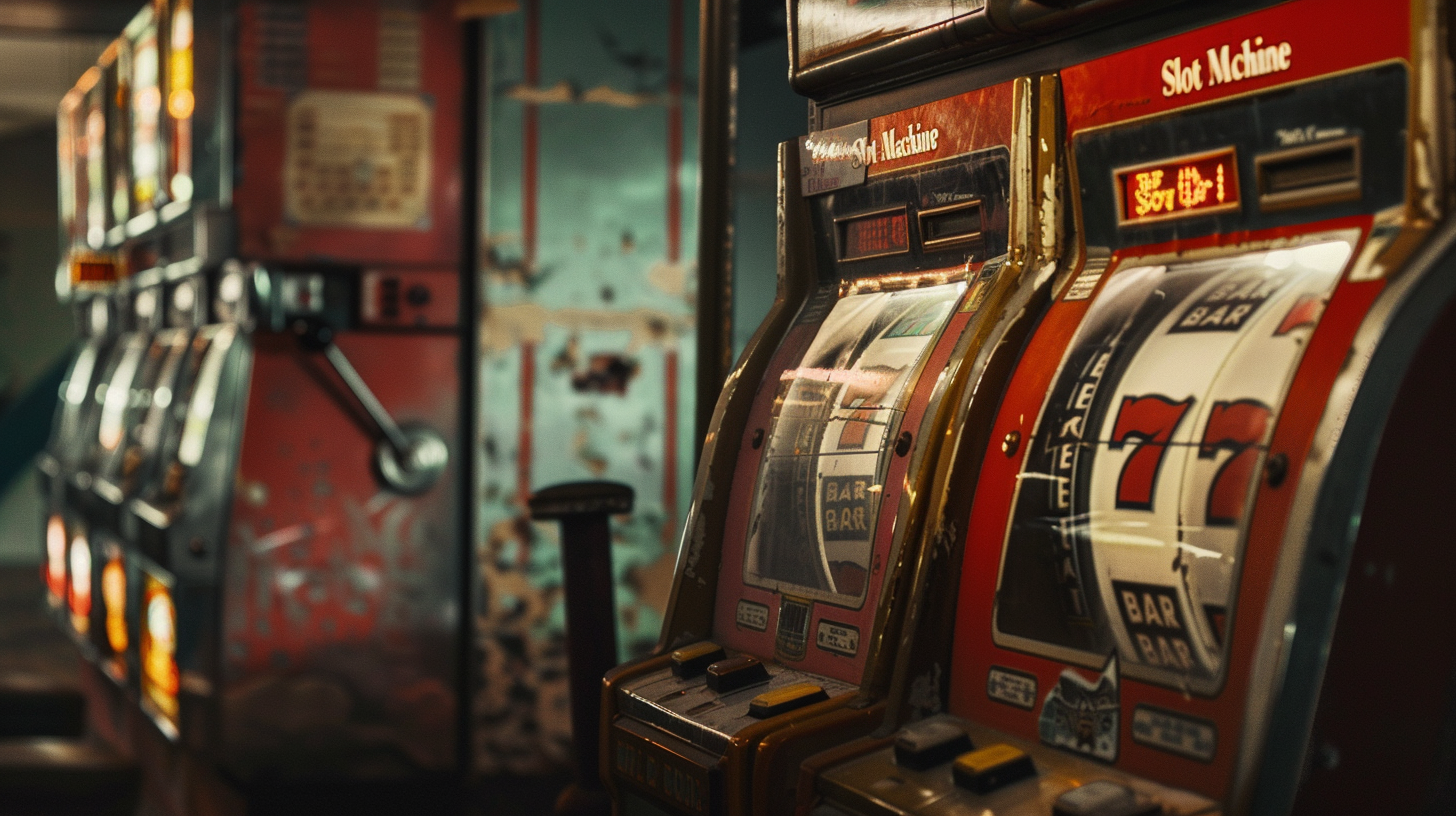
The history of slot machines is a fascinating journey that traces the evolution of a simple mechanical device into the complex and immersive digital experiences we know today. Let's embark on a captivating trip through the annals of slot machine history.
During the Prohibition era in the 1920s and 1930s, slot machines underwent a transformation. To work around anti-gambling laws, machines started to use fruit symbols, and winning combinations would result in fruit-flavored gum or candy payouts. The term "fruit machine" is still used in some parts of the world to refer to slot machines.
As technology advanced, so did the sophistication of slot games. The 1990s saw the rise of online casinos, bringing the excitement of slots to the digital realm. The convenience of online play expanded the accessibility of slots to a global audience.
Moreover, the incorporation of cutting-edge technologies like virtual reality (VR) and augmented reality (AR) has added another dimension to slot gaming. Players can now step into virtual worlds, enhancing the immersive nature of the gaming experience.
The Birth of the One-Armed Bandit (Late 19th Century):
The story begins in the late 19th century when the first mechanical slot machine emerged. In 1887, Charles Fey, a San Francisco mechanic, crafted the iconic "Liberty Bell." This three-reel machine featured five symbols – horseshoes, diamonds, spades, hearts, and the Liberty Bell, which also gave the machine its name. The Liberty Bell is considered the first true slot machine, incorporating an automatic payout mechanism for winning combinations.Expansion and Fruit Machines (Early to Mid-20th Century):
As the popularity of slot machines grew, they spread beyond San Francisco. In the early 20th century, various states in the U.S. began to legalize and regulate slot machines. However, due to anti-gambling sentiments, early machines often dispensed prizes like gum or cigars instead of cash.During the Prohibition era in the 1920s and 1930s, slot machines underwent a transformation. To work around anti-gambling laws, machines started to use fruit symbols, and winning combinations would result in fruit-flavored gum or candy payouts. The term "fruit machine" is still used in some parts of the world to refer to slot machines.
The Electromechanical Era (1960s-1970s):
The 1960s marked a significant shift with the introduction of electromechanical slot machines. These machines, powered by electricity, replaced some of the mechanical components with electronic ones. The iconic lever remained, providing players with the tactile thrill of pulling the lever to set the reels in motion. The introduction of these machines paved the way for more complex and varied game features.The Digital Revolution (1980s-Onward):
The true revolution in slot machine history came with the advent of microprocessors and video screens in the 1980s. Video slots ushered in a new era, allowing for a multitude of themes, graphics, and bonus features. The traditional mechanical reels transitioned into virtual ones, offering a broader canvas for creativity. The first video slot, developed by Fortune Coin Co., was introduced in 1976.As technology advanced, so did the sophistication of slot games. The 1990s saw the rise of online casinos, bringing the excitement of slots to the digital realm. The convenience of online play expanded the accessibility of slots to a global audience.
Modern Era and Beyond (21st Century):
In the 21st century, slot machines have become an integral part of the digital entertainment landscape. Online slots offer an unprecedented variety of themes, features, and progressive jackpots, captivating players with immersive experiences. Mobile technology has further fueled the popularity of slots, allowing players to enjoy their favorite games on smartphones and tablets.Moreover, the incorporation of cutting-edge technologies like virtual reality (VR) and augmented reality (AR) has added another dimension to slot gaming. Players can now step into virtual worlds, enhancing the immersive nature of the gaming experience.